

Have you ever wondered about the reasons for corporate filing rejection in state offices? Most businesses face roadblocks when trying to file their paperwork, but there are usually specific reasons for the action.
We’ll share 10 of the most common reasons why state filing offices reject corporate filings in this blog post. Understanding the reasons behind the rejection helps you to avoid them in the future and ensure a smoother filing process. So let’s get started!
1. The Corporate name is not available
Securing a corporate name is necessary for setting up a successful business as it’s the first step in forming a corporation. Some applicants choose a corporate name that’s in use by another company, which is a wrong move.
Since an already-established name has precedence, your business cannot use it. Therefore, conduct thorough research before submitting your Corporate Filing application. It allows you to choose an available and appropriate name for your business entity.
2. The Corporate Name is Too Similar to Another Company’s
When attempting to register a corporate name, the State Filing Offices can reject filings that are too similar to another existing name. If the two names are similar, it could cause confusion, leading to a corporate rejection letter. Your company will need to choose another name or request an exception from the filing office.
Without this approval, you cannot register or commence operation until corrections are made to the filing documents. Therefore, businesses must find a unique name that the state might not reject.
3. The articles of incorporation are not properly completed
When submitting articles of incorporation for your business, accuracy is of the utmost importance. A small miscalculation or omission could make a State Filing Office reject your proposal.
The most common cause behind an article of incorporation being rejected is incorrect information or an incomplete form. Providers are advised to adhere to all guidelines outlined in their state of incorporation documents. Also, providers should include all required documents and signatures, and pay any applicable fees with their submission.
Failing to do the above could lead to rejection, forcing corporate owners to go back to square one with their filings. If you want the proposal accepted with ease, it’s best to complete all paperwork. It is also important to comply with the State filing guidelines.
4. The filing fee was not paid
Failure to pay the filing fees often leads to delays in processing and ultimately rejection from the state office. Companies must have an efficient workflow that ensures proper payment to avoid this scenario.
A single mistake could harm the company’s operations, so it’s best to take these key steps seriously.
5. Incorrect forms were submitted
Submitting incorrect forms to your State Filing Office could be costly. Rejected filings can cause delays, cost additional fees, and might result in your documents being returned.
Ensure all the correct forms are submitted with your filing to avoid these issues.
6. Problem with the registered agent
Another excellent thing to look out for when filing a corporation is the registered agent information. Ensure it contains no error and provide accurate details.
Your registration could receive rejection if there are mistakes or discrepancies with the registered agent’s address or contact information. If this does occur, correct the information on the filing promptly.
Take extra measures when completing forms for all corporate filings.
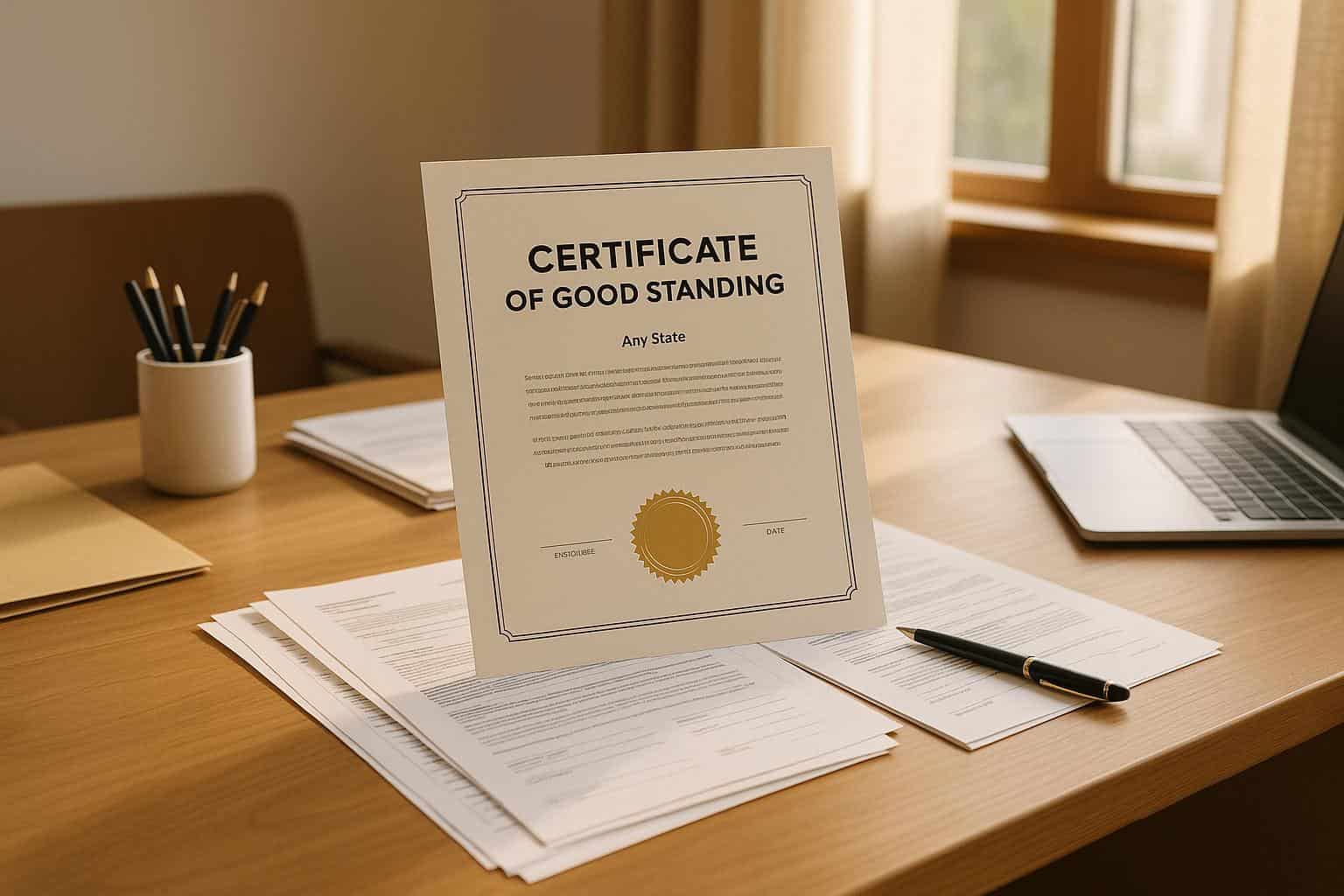
7. The Good Standing Certificate is from the wrong state
Quick mistakes like obtaining the Good Standing Certificate from the wrong state can lead to costly errors and delays.
An oft-overlooked detail, state filing offices will reject qualification filings if they are accompanied by a Good Standing Certificate without authorization to transact in the jurisdiction.
8. The Qualification Document Indicates The Entity Has Been Doing Business In The State Prior To The Date Of Qualification
All documents submitted in a filing must accurately reflect the current activity of a company. It’s because they provide a record of an entity’s existence and legitimacy
Not having sufficient evidence of an entity’s pre-qualification activities can negatively impact the entire process. Review all documents thoroughly before submitting to your State Filing Office – it could mean the difference between acceptance and rejection.
9. Not Reviewing/Following The General Instructions In SERFF
Filing paperwork can be daunting and complicated, but ensuring all filing instructions are properly followed is necessary. State Filing Offices may reject filings for not following the SERFF instructions. Consider reviewing them carefully, and adhere to stringent compliance requirements.
The SERFF is a multi-state filing process that vendors use when their services need approval from multiple states. So, when the information is unavailable or is pending review, it often leads to delays and costly rejections.
Double-check any SERFF applications thoroughly before submitting them. This will save you time, and valuable money in revision processes down the line.
10. Not All Of The Articles In The Document Were Completed As Required By The State.
Filing corporate documents with state filing offices is complex and time-consuming. Filing inaccuracies or incomplete applications involves some risk of being rejected. It can result in financial penalties and extended wait times.
Ensure all required documents are available and properly completed. To achieve success during a corporate filing process, work with knowledgeable professionals. Also, double-check forms for accuracy as it increases your chances.