
C Corporation Guide: Everything Digital Entrepreneurs Need to Know About Business Structures in 2025
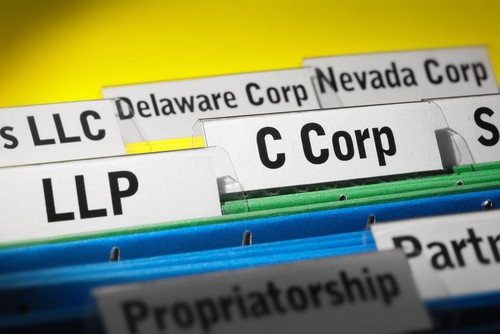
[12 Minute Read] Are you a digital nomad, remote entrepreneur, or location-independent professional trying to navigate the complex world of business structures? Understanding the difference between a C Corporation, S Corporation, and Limited Liability Company (LLC) is crucial for your business’s success and tax optimization strategy. This comprehensive guide will walk you through everything you […]
Wyoming vs Delaware vs Nevada: Which State Is Best to Incorporate Your Company?

Wyoming is the best of the three for most small businesses and non-US owners: $100 to form an LLC or a corporation, $60 minimum a year, no state income tax and owner names kept off the public record. Delaware is the best for startups raising venture capital, at $110 to form an LLC and a $400 annual LLC tax. Nevada has no state income tax but costs the most, $425 to form an LLC and $350 a year, and its annual list names managers publicly.
California Registered Agent: Requirements, Cost and How to Choose (2026)

California calls it an agent for service of process. Under Cal. Corp. Code 17701.13 only an individual resident of California, or a corporation that has filed a corporate agent certificate under Corp. Code 1505, may serve. LLCs are not an eligible category, so a California LLC cannot act as its own agent or appoint another LLC. Where a 1505 corporation is designated, no address for that agent may be listed in the filing. If the agent lapses, a court may authorise service on the Secretary of State under 17701.16.
How to Dissolve a Corporation (vs Dissolving an LLC)

Step-by-step guide to approvals, state filings, taxes, creditor notices, and final distributions when dissolving a corporation or LLC.
What Is a Benefit Corporation (B-Corp)? Pros and Cons

Explains benefit corporations: legal duties, reporting requirements, pros and cons, state availability, and a 6-step formation checklist.
Close Corporation vs Regular Corporation: Key Differences

Close corporations favor tight owner control and fewer formalities; regular corporations suit outside funding and growth.