
LLC
Why Freelancers Form LLCs: Liability, Taxes, and Credibility
How forming an LLC shields freelancers’ personal assets, enables S-Corp tax savings, and improves credibility with larger clients.

How forming an LLC shields freelancers’ personal assets, enables S-Corp tax savings, and improves credibility with larger clients.
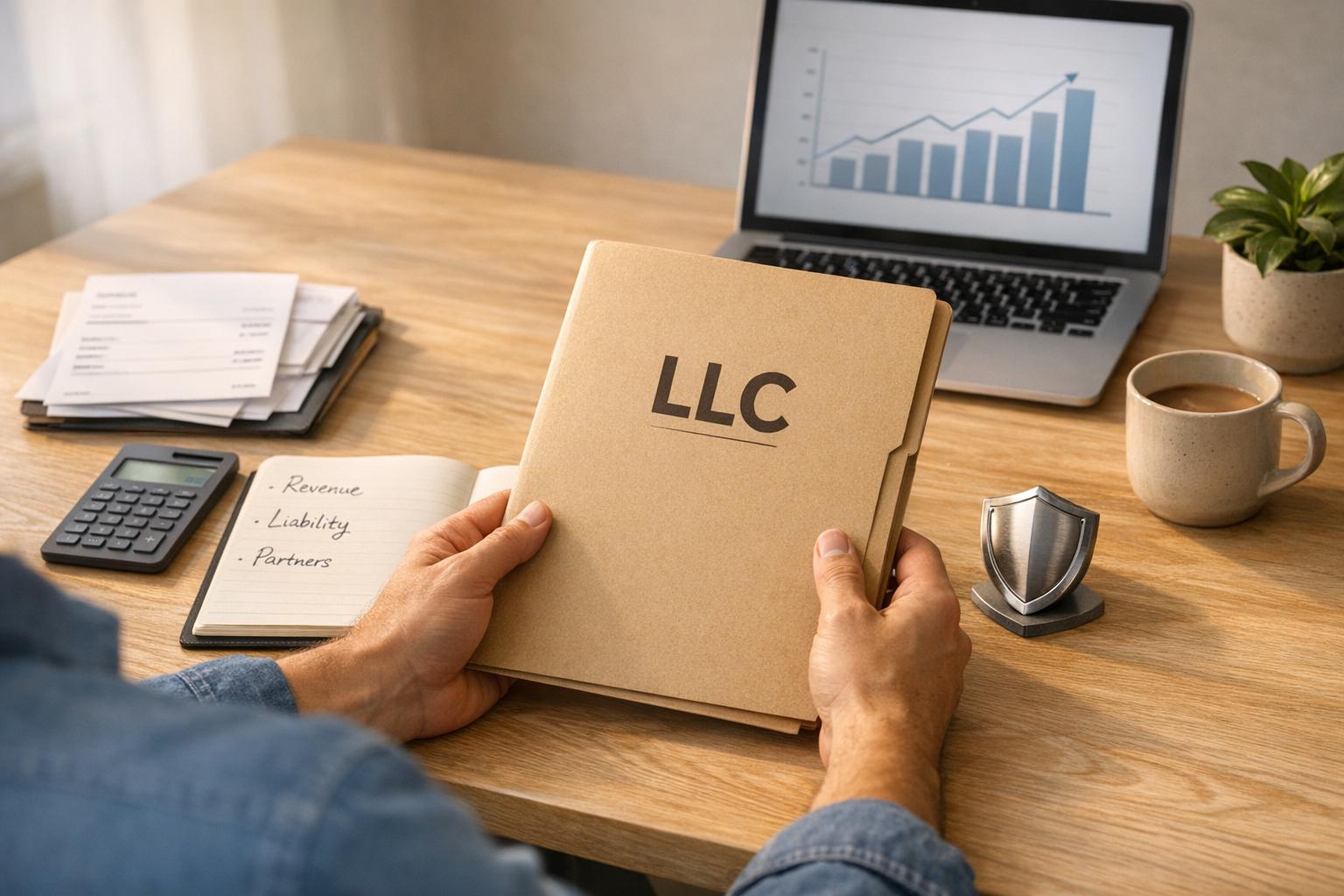
Protect personal assets and reduce tax risk—know when revenue, liability, or partners make forming an LLC the right move.

An LLC gives liability protection and tax flexibility, but state fees, self-employment taxes, and poor investor access can outweigh benefits.
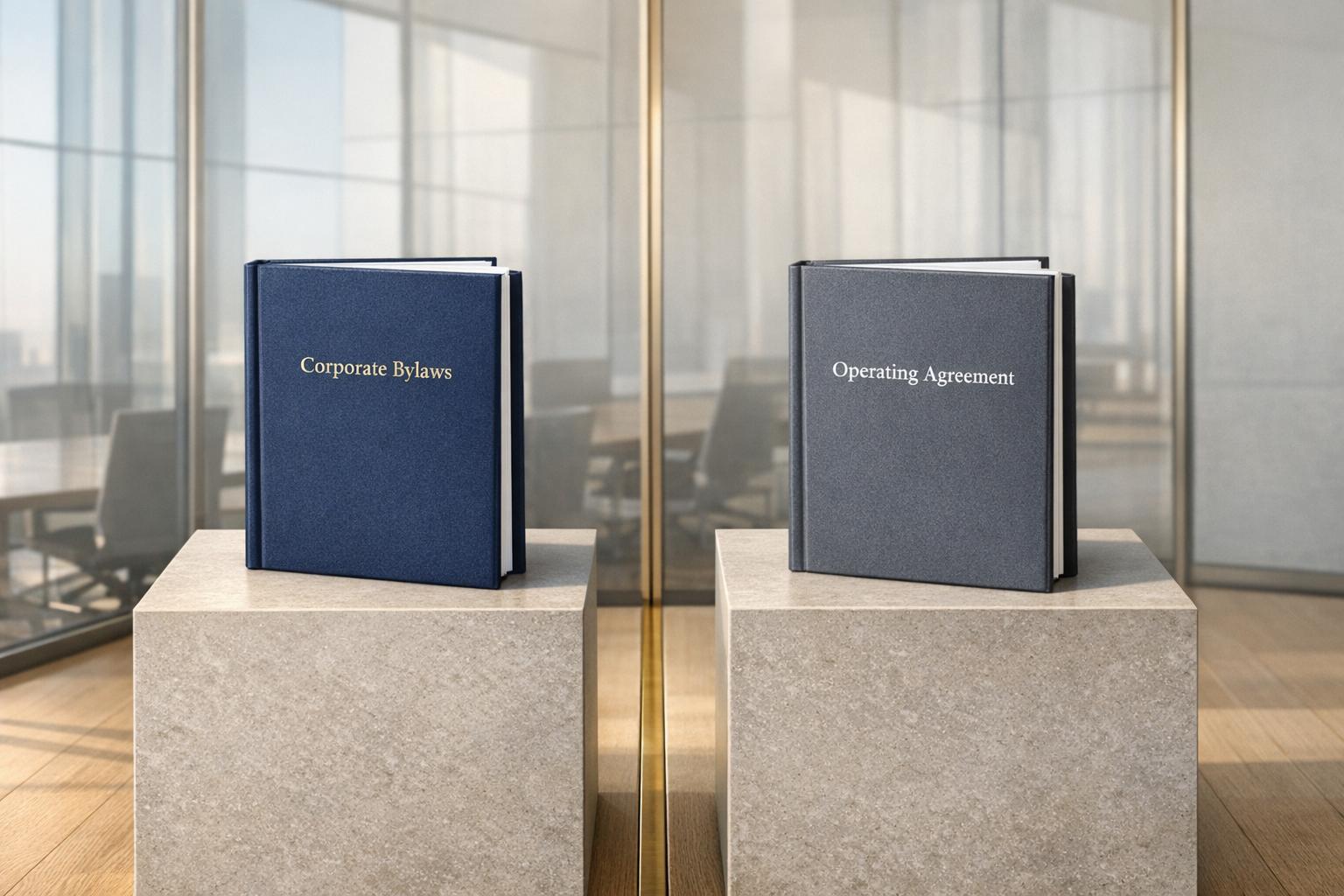
Compare corporate bylaws and LLC operating agreements—who needs each, key provisions, and legal differences.

Explains differences between DBA, trade name, and fictitious name, state filing rules, costs, and when to consider trademarks.

Compare member-managed vs manager-managed LLCs: who signs contracts, who makes decisions, and how structure affects liability and compliance.

Breakdown of single-member, multi-member, series, and professional LLCs, plus tax options and state rules.

Compare registered agents, virtual addresses, and PO boxes: legal roles, mail handling, and cost to choose the right business address.