


Registered Agent

Take a break and read all about it

Registered Agent in New York: What It Is, How It Works, and Why You Need One
Registered Agent
Rick Mak

Registered Agent in New York: What It Is, How It Works, and Why You Need One

New York works differently from other states. Under N.Y. LLC Law 301 the Secretary of State is the agent for service of process on every New York LLC, and that designation is compulsory. Section 302 provides that an LLC may, in addition, designate a registered agent, so a New York registered agent is optional and purely additional. Service on the Secretary of State is complete when the state is served, not when the company learns of it, and the state forwards to the post office address on file. Keeping the biennial statement current is the real exposure.

Read More »
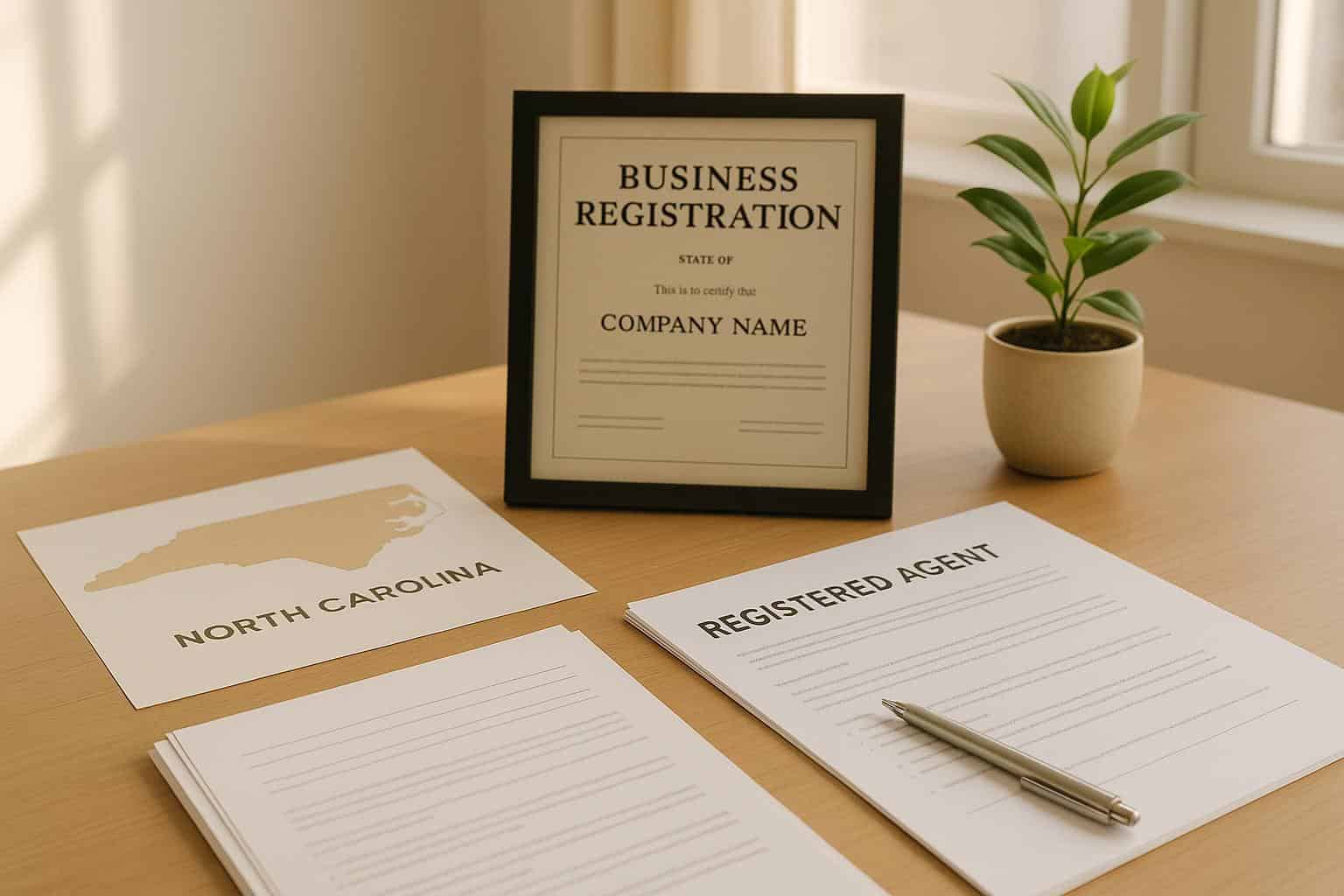
Registered Agent in North Carolina: What It Is, How It Works, and Why You Need One
Registered Agent
Rick Mak

Registered Agent in North Carolina: What It Is, How It Works, and Why You Need One

North Carolina requires every LLC to maintain a registered agent and registered office under N.C.G.S. chapter 55D. The agent must agree to act and must either reside in North Carolina or be an entity registered on the NC Business Registry and authorised there, with a business office identical with the registered office. The registered office must be a physical North Carolina location, though the separate registered mailing address may be a PO box. Acceptance of documents by the agent is considered legal notice to the company.

Read More »
Registered Agent in North Dakota: What It Is, How It Works, and Why You Need One
Registered Agent
Rick Mak

Registered Agent in North Dakota: What It Is, How It Works, and Why You Need One

North Dakota uses the Registered Agents Act at N.D.C.C. chapter 10-01.1, distinguishing commercial agents listed with the Secretary of State from noncommercial agents, who may be North Dakota residents or domestic or foreign corporations and LLCs. Filings must state an actual street address or rural route box number in the state. The agent’s statutory duties are limited to forwarding and keeping its information current. Failing to appoint and maintain an agent is a ground for involuntary termination under 10-32.1-90.

Read More »
Registered Agent in Oklahoma: What It Is, How It Works, and Why You Need One
Registered Agent
Rick Mak

Registered Agent in Oklahoma: What It Is, How It Works, and Why You Need One

Oklahoma requires every LLC to maintain a registered office and agent under 18 O.S. 2010. The statute expressly permits the LLC or registered series itself to serve as its own agent, alongside individual Oklahoma residents and domestic or qualified foreign corporations, LLCs and partnerships. The agent must maintain a business office identical with the registered office that is open during regular business hours to accept service of process. Where there is no agent, service may be made on the Secretary of State.

Read More »
Registered Agent in Oregon: What It Is, How It Works, and Why You Need One
Registered Agent
Rick Mak

Registered Agent in Oregon: What It Is, How It Works, and Why You Need One

Oregon requires every LLC to maintain a registered agent at a physical Oregon street address where the agent can accept or sign for legal service. PO boxes and mail forwarding businesses are both expressly excluded. Eligible agents are Oregon residents and registered domestic or foreign entities authorised in Oregon, in each case co-located with the registered office. A person named without consenting can file a No Consenting Registered Agent statement, which strips the company of its agent and starts the clock toward administrative dissolution.

Read More »

Do You Want To Boost Your Business?

drop us a line and keep in touch

Engaged professionals collaborating on a laptop in a library setting, emphasizing teamwork, knowledge sharing, and business development.