


Registered Agent

Take a break and read all about it

Registered Agent in Pennsylvania: What It Is, How It Works, and Why You Need One
Registered Agent
Rick Mak

Registered Agent in Pennsylvania: What It Is, How It Works, and Why You Need One

Pennsylvania does not use registered agents. The Department of State confirms that its records show a registered office address rather than a registered agent, and maintains a list of commercial registered office providers that filers may use in place of their own address. Every filed entity other than fictitious names and trademarks needs a Pennsylvania address, and a Post Office Box alone is not acceptable. Service on the Secretary of the Commonwealth requires a Pennsylvania judge’s order first, unlike the automatic substituted service most states provide.

Read More »
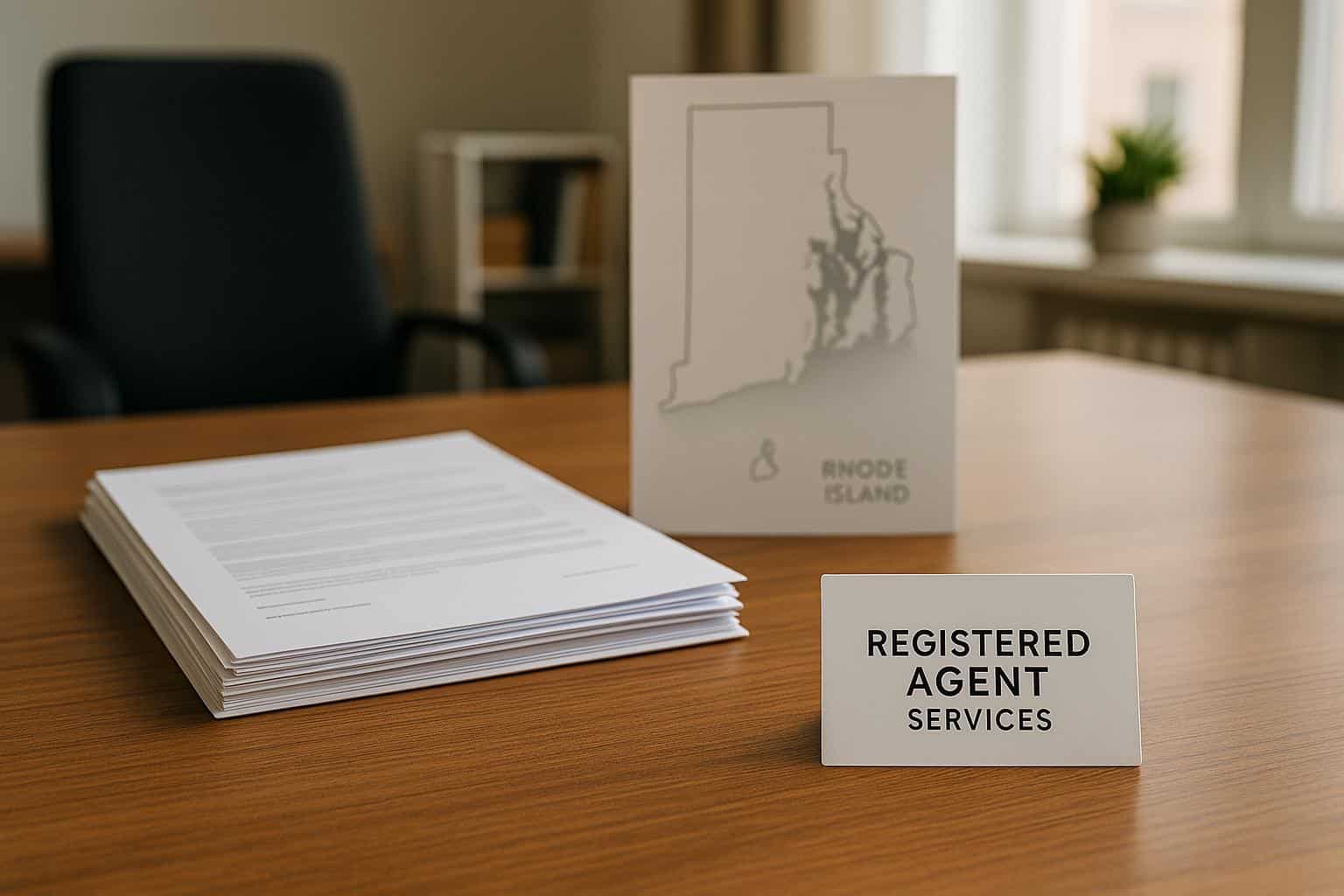
Registered Agent in Rhode Island: What It Is, How It Works, and Why You Need One
Registered Agent
Rick Mak

Registered Agent in Rhode Island: What It Is, How It Works, and Why You Need One

Rhode Island requires every LLC to maintain a registered agent who is either a Rhode Island resident or an incorporated entity qualified to do business in the state. The agent must have a Rhode Island street address and be available there during normal business hours to accept service of process. PO boxes and shipping or postal company addresses are expressly not allowed, so a private mailbox at a retail shipping store does not comply. Failing to maintain a valid agent and office costs the business its good standing.

Read More »
Registered Agent in South Carolina: What It Is, How It Works, and Why You Need One
Registered Agent
Rick Mak

Registered Agent in South Carolina: What It Is, How It Works, and Why You Need One

South Carolina requires every LLC to maintain an office and an agent for service of process under S.C. Code 33-44-108. Eligible agents are individual South Carolina residents, a domestic corporation, another limited liability company, or an authorised foreign corporation or company. Because the statute says “another,” an LLC cannot serve as its own agent. Failing to maintain an agent is not a ground for administrative dissolution: instead the Secretary of State becomes the agent for service under 33-44-111, so a company can be sued while still on the register.

Read More »
Registered Agent in South Dakota: What It Is, How It Works, and Why You Need One
Registered Agent
Rick Mak

Registered Agent in South Dakota: What It Is, How It Works, and Why You Need One

South Dakota uses the Model Registered Agents Act at SDCL chapter 59-11, distinguishing commercial agents listed with the state from noncommercial agents, who may be individuals, entities, or whoever holds a designated position in the company. Filings must state an actual street address or rural route box number in the state. Losing an agent is not a ground for administrative dissolution. Instead, an agentless entity is served by mail to its governors by name at the address on its most recent annual report, so a stale report creates real exposure.

Read More »
Registered Agent in Tennessee: What It Is, How It Works, and Why You Need One
Registered Agent
Rick Mak

Registered Agent in Tennessee: What It Is, How It Works, and Why You Need One

Tennessee requires all entities except general partnerships to maintain a registered agent and registered office in the state at all times. The Secretary of State lists being without a registered agent among the grounds for administrative dissolution, alongside failure to file an annual report, an assumed-name conflict and returned payment. That makes a lapse riskier in Tennessee than in states where it only changes how the company is served. The Secretary of State issues service on businesses without agents under the Long Arm statutes.

Read More »

Do You Want To Boost Your Business?

drop us a line and keep in touch

Engaged professionals collaborating on a laptop in a library setting, emphasizing teamwork, knowledge sharing, and business development.