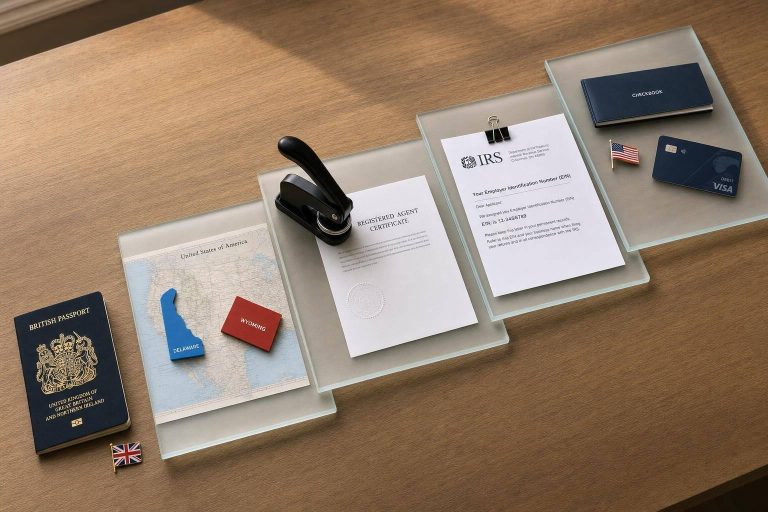


Starting a home-based business is easier than ever. With as little as $100–$500, you can launch a venture that minimizes risks while offering strong earning potential. By cutting costs like rent and commuting, and using online tools, you can focus on growing your business. Whether you want to sell digital products, offer freelance services, or dive into e-commerce, 2026 offers plenty of opportunities to work from home and achieve financial independence.
Key Opportunities:
- Digital Products: High-margin items like online courses, templates, and AI prompt packs.
- Freelance Services: Virtual assistance, writing, and social media management.
- E-commerce: Models like print-on-demand, handmade goods, and reselling vintage items.
- Content Creation: Monetize platforms like YouTube, podcasts, or blogs.
The flexibility and scalability of these businesses make them ideal for starting small and growing over time. Tools and platforms simplify setup, allowing you to focus on your strengths and build a sustainable income.
1. Digital Product Sales
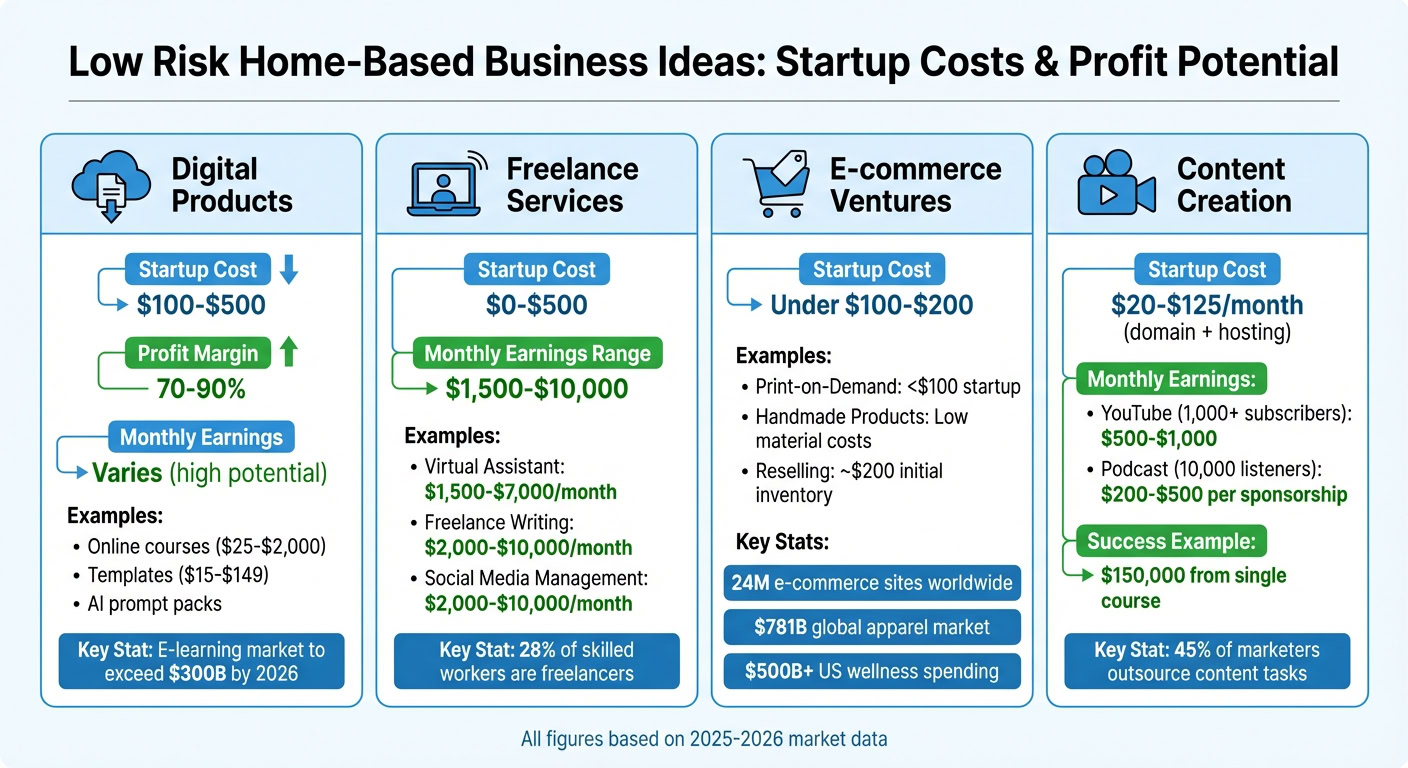
If you’re looking for a low-risk way to start a home business with high potential returns, selling digital products is a smart option. Why? Because digital products boast profit margins of 70–90%, thanks to the absence of inventory, shipping, or storage costs. You create something once – like an e-book, template, or course – and sell it repeatedly without the extra hassle. With the global e-learning market expected to surpass $300 billion by 2026, the opportunities are massive. Let’s dive into some of the most profitable digital product categories that require minimal upfront investment.
Online Courses and Mini-Classes
Online courses can range in price from $25 to over $2,000. But here’s the shift: micro-learning is quickly gaining ground. These are short, targeted classes that solve one specific problem, making them perfect for busy professionals who want quick, actionable solutions. Plus, mini-courses take less time to create compared to full-length courses. Platforms like Teachable, Thinkific, and Udemy handle the hosting and payment processing, so you can focus on crafting high-quality content.
Templates and Productivity Tools
Pre-made templates are another lucrative option. For instance, Notion templates – used for business CRM, student planning, or personal organization – sell anywhere from $15 to $149. Canva templates for social media, resumes, or budget trackers are also in high demand on platforms like Etsy and Creative Market. These products are relatively quick to create and solve specific problems, making them ideal for impulse buyers.
AI Prompt Packs and Digital Assets
The rise of AI has opened up a new market: curated AI prompt packs for tools like ChatGPT and Midjourney. These packs, often sold on platforms like Gumroad or PromptBase, require minimal effort to produce and are gaining popularity. Meanwhile, digital assets like stock photos, digital art, and design elements remain steady earners on marketplaces like Shutterstock and ArtStation. In fact, digital product transactions have surged by 70% over the past two years, signaling strong and growing demand across these categories.
sbb-itb-ba0a4be
2. Freelance Services
Freelancing has become a major part of the workforce, now making up 28% of skilled workers. The appeal? You can get started with little to no upfront investment and scale your earnings based on your time and expertise. Unlike traditional businesses, freelancing doesn’t require inventory, physical space, or complicated logistics. You’re essentially monetizing your skills and time, making it one of the simplest and least risky ways to start a home-based business. It’s a prime example of how offering expertise remotely can lead to success.
Virtual Assistant Services
Virtual assistants (VAs) provide much-needed support to small businesses and entrepreneurs who prefer not to hire full-time staff. Tasks can include managing emails, keeping calendars organized, handling customer inquiries, and even monitoring social media. Starting costs are minimal – usually between $0 and $300 – and monthly earnings can range from $1,500 to $7,000.
Take Aubree Malick, for instance. A former teacher, she began offering virtual assistant services in 2018. By 2021, she had generated $105,735 in revenue, not just through VA work but also by teaching others how to enter the field via online courses. Her success boiled down to specializing in specific tasks and building a reputation for being dependable. As Wharton management professor Jacqueline Kirtley puts it:
"You can become a freelancer so much easier now and have a better line to getting clients than we had before".
Freelance Writing and Content Marketing
If you’ve got a knack for writing clearly and persuasively, freelance writing can be a lucrative option. Opportunities range from creating blog posts and website copy to writing emails and product descriptions. Startup costs are low – typically between $0 and $500, mainly for building a simple portfolio website – and monthly earnings can vary from $2,000 to $10,000.
Levi Newman, a freelance writer specializing in Amazon product descriptions, has earned over $1 million in revenue through Fiverr over eight years. His advice?
"Stick to what you know, hone those skills and try to refine your specialty. To be really good you need to be able to do one thing or two things consistently".
The rise of micro-niches means there’s plenty of room to carve out a specialty, whether it’s writing for SaaS companies, e-commerce brands, or health and wellness blogs.
Social Media Management
Maintaining a strong online presence is essential for businesses, but not everyone has the time or expertise to do it effectively. That’s where social media managers come in. They handle tasks like creating content, scheduling posts, engaging with followers, and analyzing performance on platforms like Instagram, TikTok, and LinkedIn. Startup costs are modest – ranging between $0 and $500 – and monthly earnings can fall between $2,000 and $10,000.
The growing use of AI tools is opening up even more opportunities in this field. Freelancers who incorporate AI for drafting content, generating images, or analyzing data can work more efficiently and command higher rates. With 35% of businesses launched in 2023 operating fully remotely, the demand for remote social media management is only increasing. This trend ties in well with digital product strategies, showcasing how diverse and profitable freelance opportunities can be.
3. E-commerce Ventures
E-commerce offers a chance to earn high profits without the overhead of a physical store. By reducing upfront costs and inventory risks, it’s become a go-to option for entrepreneurs. With over 24 million e-commerce websites worldwide, success depends on choosing a model that aligns with your skills and budget. Here are a few popular approaches that thrive in today’s digital and remote work-friendly landscape.
Print-on-Demand
Print-on-demand is a hassle-free way to sell custom-designed products like t-shirts, mugs, phone cases, and home décor without managing inventory. Here’s how it works: you create designs, upload them to platforms like Shopify or Etsy, and when a customer places an order, a third-party supplier handles production and shipping. Startup costs are minimal – often under $100 – for store setup and design tools. Shopify even offers a low-cost trial, making it beginner-friendly. With the global apparel market valued at $781 billion and personalized gifts projected to reach $54.1 billion by 2033, the potential is huge.
As Gourmet Délice, an entrepreneur with Bonsound, explains:
"Selling merch on Shopify has helped bands supplement the money they bring in from shows and generate sales with minimal time and startup costs".
Handmade Personal Care Products
If you’re crafty, making and selling handmade personal care items – like bath bombs, soaps, or candles – can be a rewarding venture. These products require relatively low material costs but can yield high returns, especially when marketed as natural or organic. In the U.S. alone, consumer spending on wellness products exceeds $500 billion annually. Additionally, 46% of shoppers are actively seeking more sustainable options, with many willing to pay nearly 10% more for them. Etsy is a popular platform for handmade goods, charging just $0.20 per listing and a 5% transaction fee. When pricing, account for materials, labor, overhead, and your own salary.
Justina Blakeney, founder of NiaWigs, highlights a key trend:
"Customers are becoming more interested in natural and organic products as a result of increased consumer awareness of their lifestyle choices".
Reselling and Vintage Goods
Reselling vintage or secondhand items can be an excellent way to start a business with minimal investment. By sourcing items from thrift stores, estate sales, or clearance racks, you can resell them online at a profit. This model typically requires around $200 to get started with initial inventory. Platforms like eBay, Poshmark, and Depop offer built-in audiences, while Amazon is ideal for retail arbitrage. The key to success here is consistently finding quality items to sell. It’s a straightforward model that doesn’t demand advanced technical skills and can grow based on the time and effort you put into sourcing inventory.
4. Content Creation
Starting a content creation business is one of the easiest ways to build a profitable, home-based venture with little to no upfront costs. The trick lies in picking a format that aligns with your skills and consistently offering value to a specific audience. The most successful creators diversify their income streams by combining ad revenue, sponsorships, affiliate marketing, and digital product sales instead of depending on just one source.
YouTube and podcasting stand out as two of the most popular formats. For instance, YouTube creators with at least 1,000 subscribers and steady viewership can earn between $500 and $1,000 monthly. Similarly, podcasters with around 10,000 listeners per episode can earn $200–$500 per sponsorship slot. The best part? You can start with gear you already own, like a smartphone and laptop. If you prefer to stay behind the scenes, AI tools and stock footage make it easy to create "faceless" YouTube channels.
Another way to boost your earnings is by selling digital products alongside your content. Products like online courses, ebooks, templates, and AI prompt packs are scalable, meaning you can sell an unlimited number without increasing costs. A great example is creator Julia McCoy, who made $150,000 from a single course hosted on Teachable.
To expand your reach and income, consider repurposing long-form content into short clips for platforms like Instagram Reels, YouTube Shorts, and TikTok. This approach allows you to connect with different audiences without creating entirely new material. The demand for content creation services is also on the rise – about 45% of marketers outsource tasks like writing, video editing, and graphic design. This opens up opportunities for freelancers to support creators.
Starting a content creation business doesn’t require a huge investment. A domain name costs around $20 per year, and hosting can run up to $65 per month. For design needs, free tools like Canva are a great starting point, while more advanced options like Adobe Creative Cloud cost about $60 per month. However, the most critical investment is your time. Whether you’re creating content around furniture restoration, personal finance, or niche hobbies, your dedication will drive success. These content-focused strategies align perfectly with the broader home-based business ideas discussed earlier.
Conclusion
Starting a low-risk, home-based business can be a game-changer for achieving financial freedom. By cutting out traditional expenses like office rent and daily commutes, you’re embracing a model that’s already proven successful – nearly half of all small businesses in the U.S. operate from home. The added perks of setting your own schedule and earning income on your terms make this path even more appealing.
The business ideas discussed here – from selling digital products to creating content – share one key benefit: scalability. For example, once you’ve created a digital course or template, you can sell it to hundreds (or even thousands) of customers without increasing your costs. This scalability allows you to turn early wins into long-term growth.
To get started, focus on identifying your strengths, formalizing your business structure, and establishing an online presence. Platforms like BusinessAnywhere can simplify the process by handling LLC registration, EIN setup, and registered agent services for $0 plus state fees. By outsourcing these admin tasks, you can focus on growing your business.
Technology is also leveling the playing field for solo entrepreneurs. AI-powered tools make it possible to handle tasks that once required entire teams. For instance, in 2025, Remote used automation to resolve 28% of its IT support tickets, saving over 600 hours each month. With tools like these, building a successful home-based business has never been more accessible.
FAQs
What are the best platforms to sell digital products from home in the U.S.?
Selling digital products from home has become incredibly straightforward, thanks to a variety of platforms designed to fit different needs. If you’re looking for simplicity, marketplace platforms like Etsy or Gumroad are excellent choices. These platforms handle payments, delivery, and even offer basic marketing tools, making them perfect for selling items like e-books, templates, or printables.
For those with more complex needs, all-in-one platforms such as Teachable or Podia are a solid pick. These platforms are tailored for online courses, coaching programs, and subscription-based models. They come loaded with features like video hosting, drip content scheduling, and community-building tools to help you manage and grow your business efficiently.
If having full control over branding and customization is a priority, self-hosted solutions like Shopify (with the Digital Downloads app) or WordPress (using WooCommerce) are worth considering. These options allow you to automate sales and integrate seamlessly with tools like email marketing and affiliate tracking. Plus, all these platforms are well-suited for U.S.-based entrepreneurs, supporting payments in USD and adhering to American tax regulations, ensuring a smooth experience for home-based sellers.
What’s the easiest way to start a freelance business with little money?
Starting a freelance business doesn’t have to break the bank. In fact, you can get started with just the skills you already have and a bit of planning. Begin by zeroing in on a service you’re good at – whether it’s writing, graphic design, social media management, or virtual assistance. Most of these services only require a reliable computer and either free or budget-friendly software. Once you’ve decided on your service, create a simple portfolio to showcase your work. This could be as basic as a PDF or a starter website, which might only set you back about $50 for a domain and hosting.
Finding clients is the next step. Set up a professional profile on freelance platforms or LinkedIn, and stay organized with free tools like Trello or Google Workspace. Take time to research what others in your niche are charging and consider offering an introductory discount to attract your first clients and gather testimonials. To spread the word, leverage social media, online communities, and word-of-mouth referrals. If you have a little extra budget, spending $100–$200 on ads can also help you generate leads without overspending.
Quick tips to get started:
- Stick to services that align with your skills and expertise.
- Keep your portfolio simple and cost-effective.
- Rely on free tools to manage your projects efficiently.
- Start with competitive pricing to build trust and credibility.
- Use social media and referrals to promote your services.
What are the best e-commerce business models for beginners to start with low risk and high profit potential?
For those new to e-commerce, starting a business with low risk and high earning potential is more accessible than ever. Some of the most effective approaches include dropshipping, print-on-demand, Amazon FBA (Fulfillment by Amazon), and selling digital products or subscriptions. These options are affordable to kick off, simple to manage from home, and align well with today’s online shopping trends.
- Dropshipping: This model lets you sell products without keeping inventory. You only buy items from a supplier once a customer places an order, cutting upfront costs and reducing financial risks.
- Print-on-demand: Similar to dropshipping, this focuses on custom products like t-shirts or home decor. Items are created only after a sale, which minimizes waste and allows for premium pricing on personalized designs.
- Amazon FBA: By using Amazon’s massive marketplace and fulfillment network, you can send your inventory to Amazon, and they’ll handle storage, shipping, and customer service. This makes scaling your business much easier.
- Digital products or subscriptions: Selling e-books, online courses, or memberships is a highly profitable option. Once created, these products have almost no ongoing costs, making every sale pure profit. Plus, they’re easy to manage from anywhere.
Each of these models requires minimal upfront investment, often less than $500. With user-friendly platforms available for setting up payment systems, designing storefronts, and handling logistics, these approaches are perfect for launching a home-based business in today’s remote-friendly economy.