Virtual Mailbox

What Is a CMRA? Commercial Mail Receiving Agency Explained
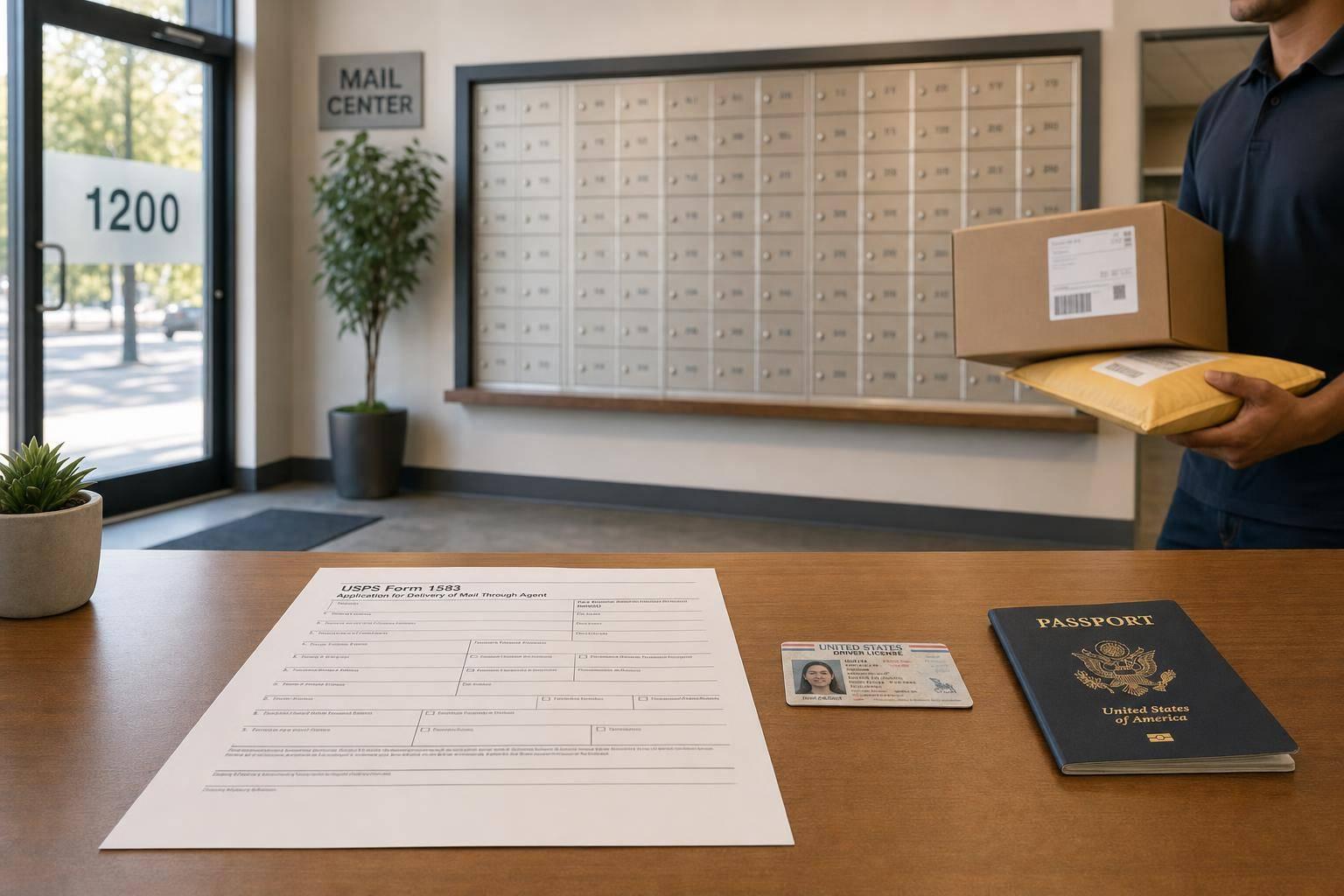
CMRAs give businesses a street address for all carriers, require USPS Form 1583 and ID, and help remote owners—know what they can’t do.

CMRAs give businesses a street address for all carriers, require USPS Form 1583 and ID, and help remote owners—know what they can’t do.
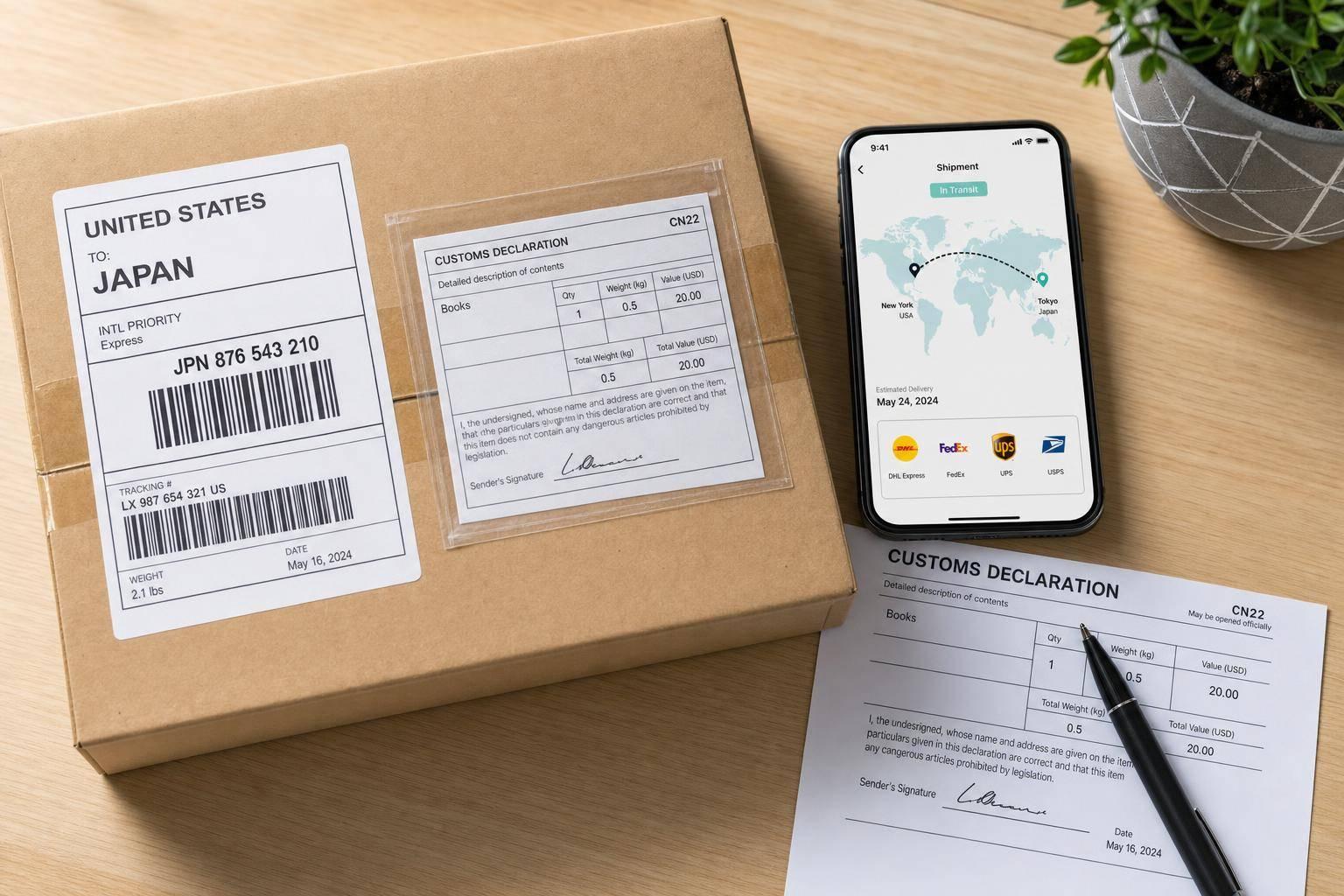
Verify item rules, choose carriers or consolidation, complete customs forms, and track shipments to avoid delays and extra fees.
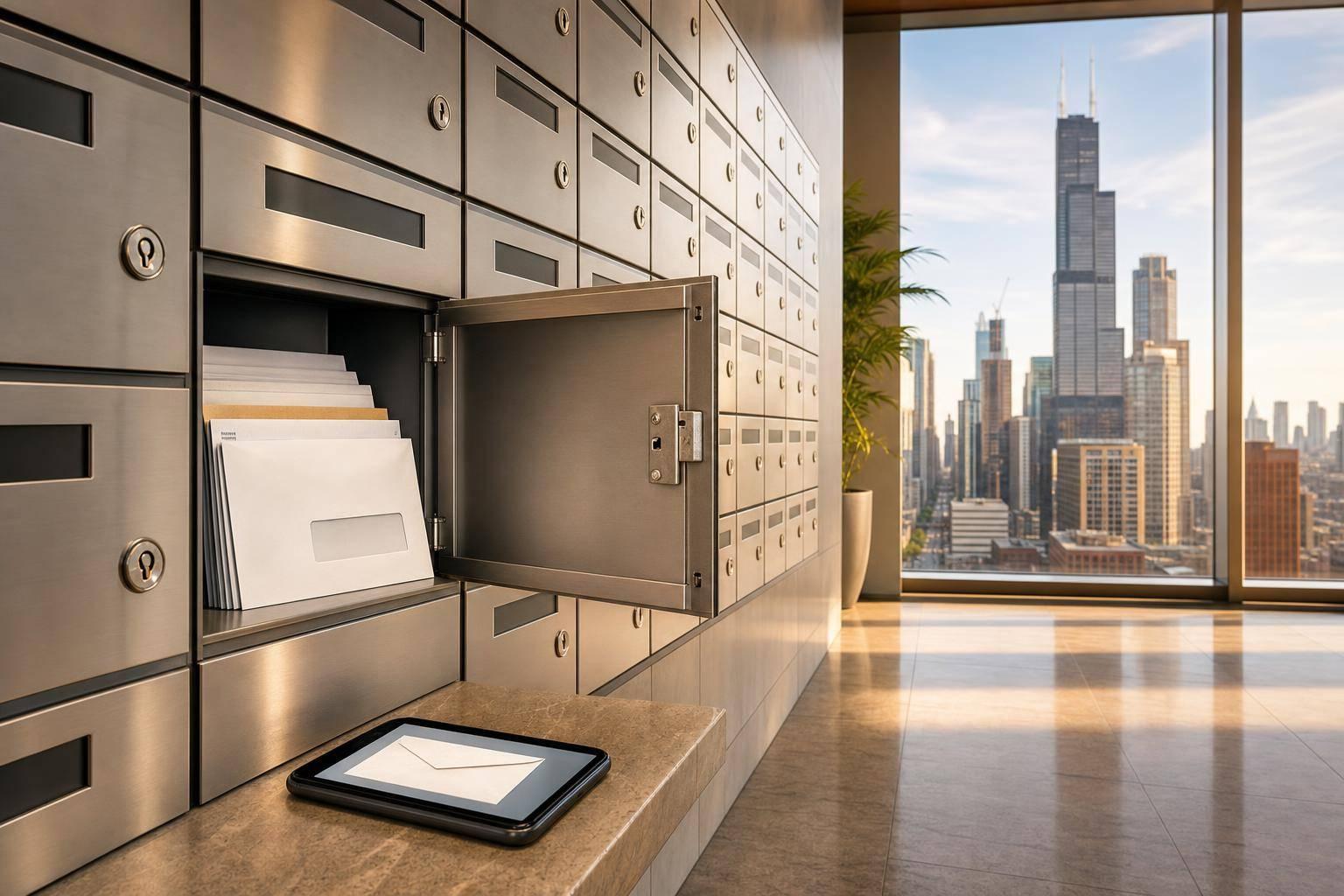
Compare Chicago virtual mailbox services for LLCs, mail scanning, forwarding, and pricing to pick the right option.

Compare six Denver virtual mailbox providers by price, scan limits, LLC compliance, and extra fees to pick the best fit.
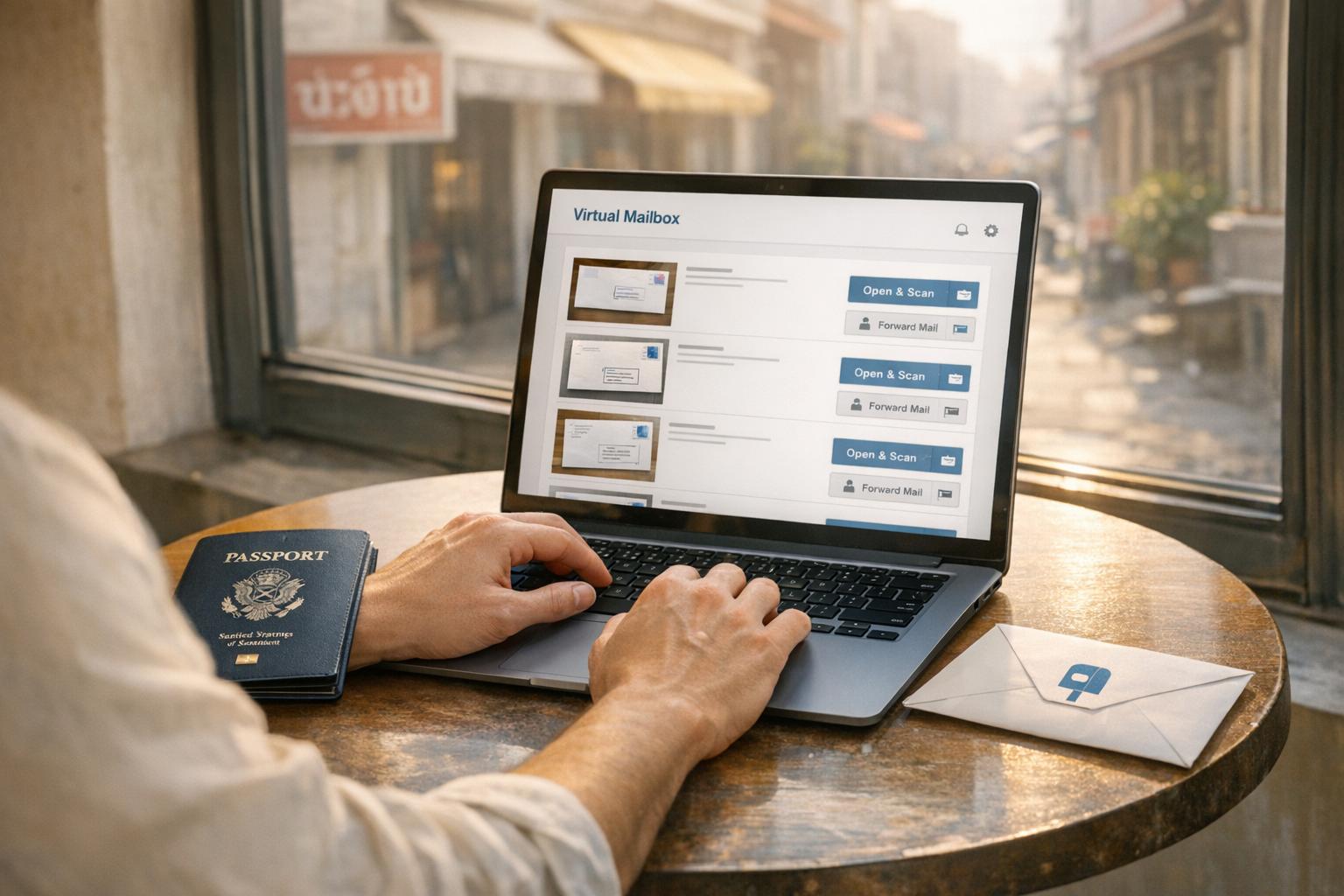
A virtual mailbox keeps expats connected to U.S. services: pick a plan, notarize USPS Form 1583, manage scans/forwarding, and update addresses.
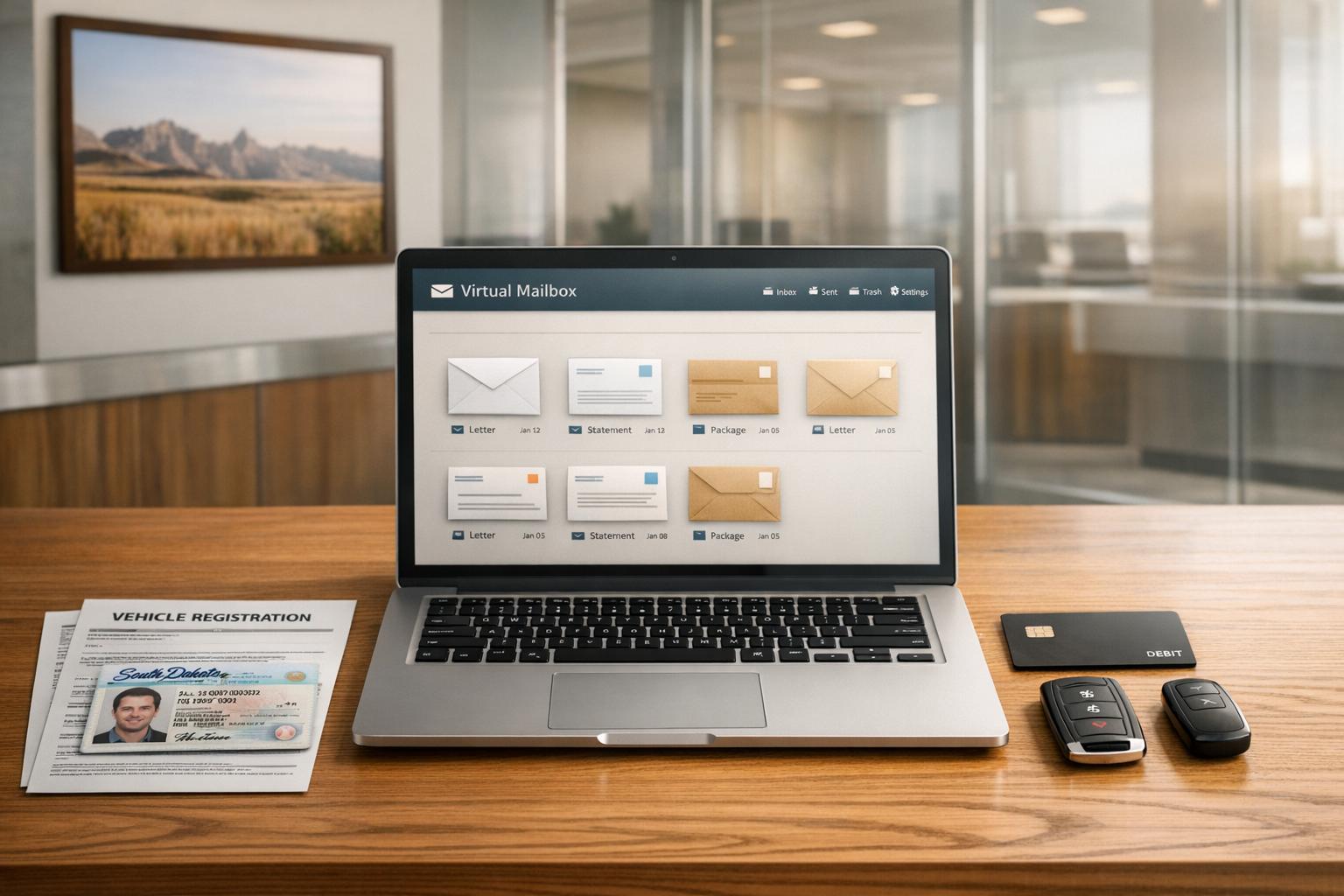
A DMV-compliant South Dakota virtual mailbox makes establishing tax-friendly domicile, accessing banks, and registering vehicles simple.